House of Tuhil
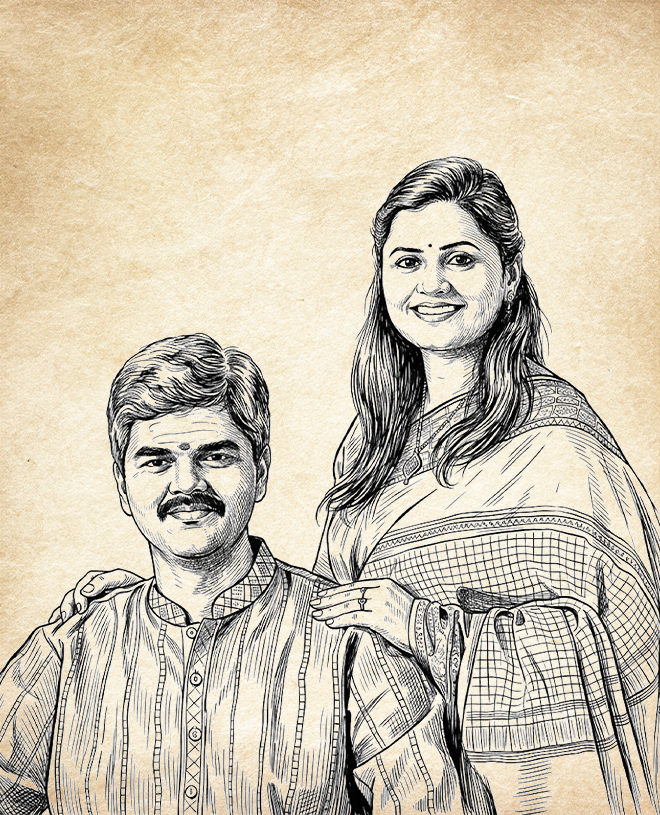
is a collective dedicated to reviving South Indian handlooms. Founded by S. Jayakumar, a researcher in South Indian Cultural History, and Varsha Kumar, an arts and culture management consultant, the collective preserves and celebrates South Indian textile heritage.
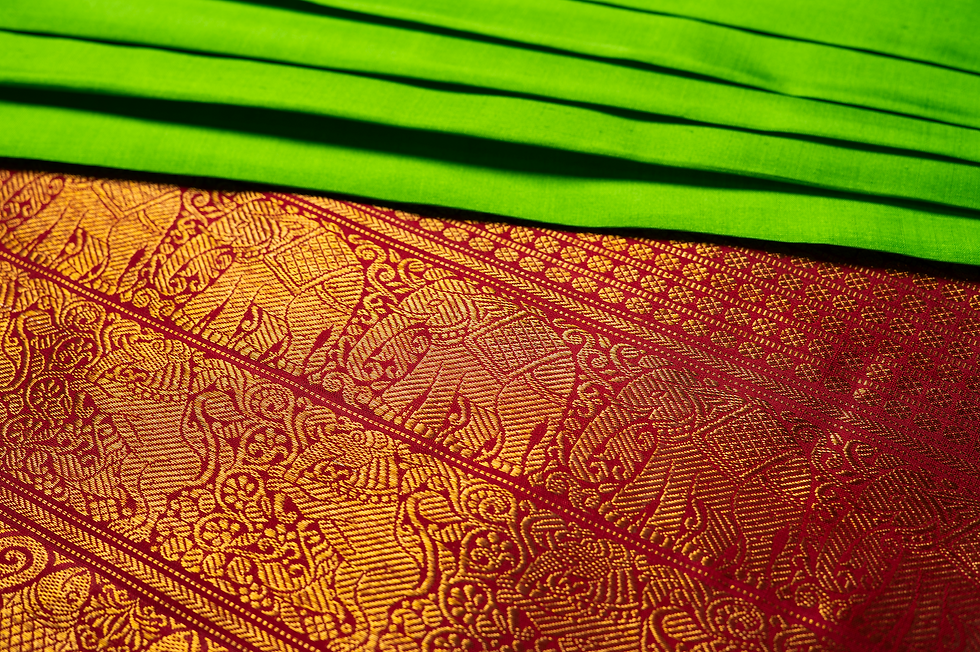
The name "Tuhil" derives from the Tamil word meaning "fabric" from the Sangam era. Each piece is handwoven in looms established across South India, with emphasis on traditional colors, designs, textures, and weaving techniques specific to regional traditions.
is a collective dedicated to reviving South Indian handlooms. Founded by S. Jayakumar, a researcher in South Indian Cultural History, and Varsha Kumar, an arts and culture management consultant, the collective preserves and celebrates South Indian textile heritage.
The name "Tuhil" derives from the Tamil word meaning "fabric" from the Sangam era. Each piece is handwoven in looms established across South India, with emphasis on traditional colors, designs, textures, and weaving techniques specific to regional traditions.
House of Tuhil
Chennai | Textile Collective
Journey
House of Tuhil was established to address the decline of South Indian handlooms following colonization and industrialization. While each region of South India developed unique weaves over centuries, power looms pushed handlooms into obscurity.
The collective works to revive these traditions through meticulous handweaving and ethical production practices. S. Jayakumar's background at Kalakshetra and Varsha Kumar's curatorial expertise inform their approach to blending traditional craftsmanship with contemporary contexts.

Style
House of Tuhil focuses on regional South Indian weaving techniques, working directly with weavers to produce textiles rooted in historical traditions. Their commitment to sustainability and ethical practices supports both cultural preservation and artisan livelihoods.
Each textile serves as documentation of South Indian weaving heritage, carrying narratives specific to its region and technique.


Journey
House of Tuhil was established to address the decline of South Indian handlooms following colonization and industrialization. While each region of South India developed unique weaves over centuries, power looms pushed handlooms into obscurity.
The collective works to revive these traditions through meticulous handweaving and ethical production practices. S. Jayakumar's background at Kalakshetra and Varsha Kumar's curatorial expertise inform their approach to blending traditional craftsmanship with contemporary contexts.
House of Tuhil
Chennai | Textile Collective
Style
House of Tuhil focuses on regional South Indian weaving techniques, working directly with weavers to produce textiles rooted in historical traditions. Their commitment to sustainability and ethical practices supports both cultural preservation and artisan livelihoods.
Each textile serves as documentation of South Indian weaving heritage, carrying narratives specific to its region and technique.