

Pavithra (Vimor)
is a handloom practitioner with over five decades of experience in Indian textiles. She is the co-founder of Vimor, a Bangalore-based handloom brand established in 1974, and leads the Vimor Handloom Foundation, which supports weaving communities across South India.
Her work focuses on reviving heritage sarees while building sustainable livelihoods for artisans. In recognition of her contribution to textile revival and community empowerment, she has been honoured at The New Indian Express’ Devi Awards.
is a handloom practitioner with over five decades of experience in Indian textiles. She is the co-founder of Vimor, a Bangalore-based handloom brand established in 1974, and leads the Vimor Handloom Foundation, which supports weaving communities across South India.
Her work focuses on reviving heritage sarees while building sustainable livelihoods for artisans. In recognition of her contribution to textile revival and community empowerment, she has been honoured at The New Indian Express’ Devi Awards.

Pavithra (Vimor)
Bangalore | Handloom Practitioner
Journey
Pavithra began working with handlooms in 1974 at the age of sixteen. What started as a small business gradually became a lifelong commitment to textile revival and artisan empowerment.
In the early years, she focused on encouraging small-town weavers to produce traditional yet marketable sarees. As her experience grew, her work expanded into documentation and revival.
She began studying antique textiles from Vimor’s archive and from customers’ heirloom collections, carefully recording their designs, motifs, and weaving techniques. These patterns were then reintroduced to the loom so that heritage designs could continue in contemporary form.
Over the decades, her role evolved from designer to mentor and community builder. She worked closely with weaving families across Karnataka, Tamil Nadu, and Andhra Pradesh, supporting skill development, confidence, and financial stability.
In 2019, she established the Museum of Living Textiles, strengthening her commitment to preserving everyday handloom traditions and the communities behind them.

Style
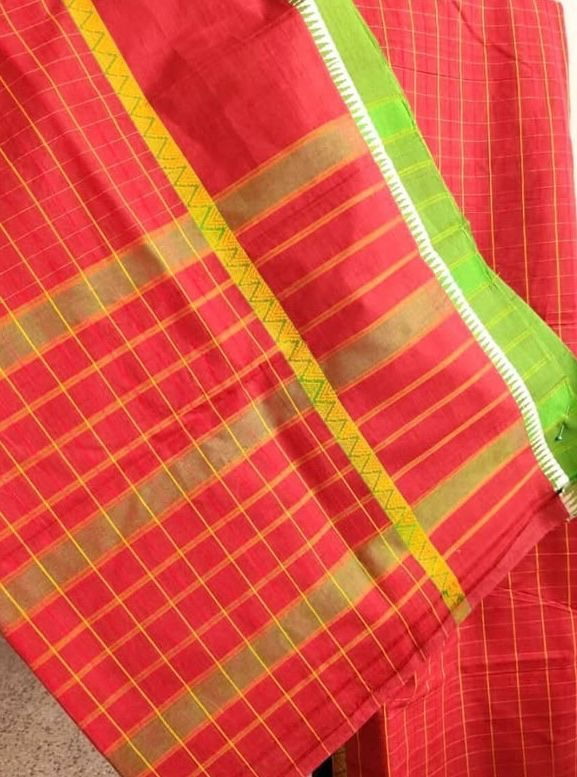
Pavithra works through weaving rather than surface embellishment. Her design process is embedded in the loom itself, using systems such as jacquard while respecting earlier methods that shaped handloom traditions.
She balances revival with thoughtful adaptation. By working with local wool, recycled silk, and natural fibers, she keeps production connected to local ecosystems and artisan skills.
Her attention to structure and finish ensures that each textile is not only beautiful but technically sound and comfortable to wear. The result is work that feels rooted, relevant, and enduring.


Journey
Pavithra began working with handlooms in 1974 at the age of sixteen. What started as a small business gradually became a lifelong commitment to textile revival and artisan empowerment.
In the early years, she focused on encouraging small-town weavers to produce traditional yet marketable sarees. As her experience grew, her work expanded into documentation and revival.
She began studying antique textiles from Vimor’s archive and from customers’ heirloom collections, carefully recording their designs, motifs, and weaving techniques. These patterns were then reintroduced to the loom so that heritage designs could continue in contemporary form.
Over the decades, her role evolved from designer to mentor and community builder. She worked closely with weaving families across Karnataka, Tamil Nadu, and Andhra Pradesh, supporting skill development, confidence, and financial stability.
In 2019, she established the Museum of Living Textiles, strengthening her commitment to preserving everyday handloom traditions and the communities behind them.
Pavithra (Vimor)
Bangalore | Handloom Practitioner
Style
Pavithra works through weaving rather than surface embellishment. Her design process is embedded in the loom itself, using systems such as jacquard while respecting earlier methods that shaped handloom traditions.
She balances revival with thoughtful adaptation. By working with local wool, recycled silk, and natural fibers, she keeps production connected to local ecosystems and artisan skills.
Her attention to structure and finish ensures that each textile is not only beautiful but technically sound and comfortable to wear. The result is work that feels rooted, relevant, and enduring.


